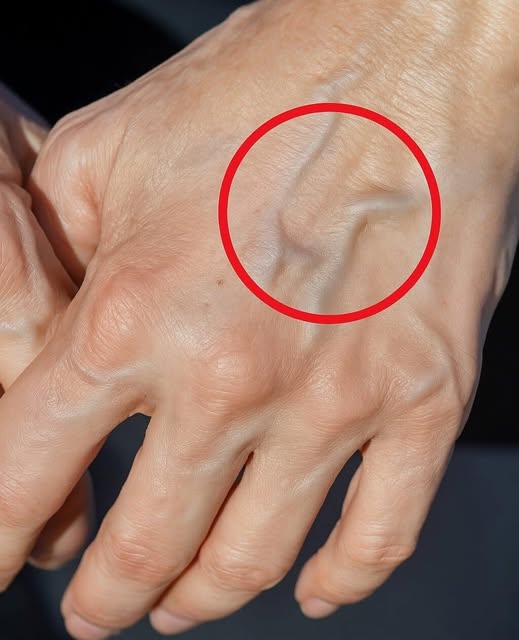
Noticing visible veins on your hands can be surprisingly unsettling, especially if it seems to happen suddenly or becomes more pronounced with time. Many people associate bulging veins with illness, aging, or circulation problems, but in reality, visible hand veins are often a completely normal reflection of how the body functions and adapts. Your hands are one of the most active and exposed parts of your body, constantly involved in movement, temperature regulation, and blood flow adjustments. Because the skin on the hands is naturally thinner than on many other areas, veins can appear more prominent here than elsewhere. Rather than being a single warning sign, visible veins are usually the result of multiple overlapping factors, including body fat levels, muscle tone, hydration, genetics, and environmental conditions. Understanding these influences can help separate harmless changes from situations that deserve medical attention, allowing you to view your hands not with worry, but with informed awareness.
One of the most common and least concerning reasons veins stand out in the hands is low body fat combined with healthy muscle tone. Fat acts as a natural cushion beneath the skin, and when that layer is thinner, veins become easier to see. This is why athletes, physically active individuals, and people who maintain a lean physique often have more noticeable veins, particularly in the hands, arms, and forearms. Resistance training and regular movement increase blood flow to muscles, and over time, veins adapt by becoming slightly larger and more efficient at transporting blood. In this context, visible veins are often a sign of cardiovascular efficiency and physical conditioning rather than a problem. Even people who are not athletes may notice more visible veins after weight loss, dietary changes, or improved fitness habits, as the body’s composition shifts in healthy ways.
Temperature and circulation also play a major role in how visible your veins appear at any given moment. When your body is exposed to heat—whether from warm weather, physical exercise, a hot shower, or emotional stress—your blood vessels naturally dilate. This process, called vasodilation, helps release excess heat and ensures oxygen and nutrients are delivered efficiently throughout the body. As veins expand, they move closer to the skin’s surface, making them more noticeable. This effect is temporary and usually fades once the body cools down or returns to a resting state. Even holding your hands below heart level for extended periods can cause veins to appear more prominent due to gravity increasing blood pooling. These changes are part of the body’s built-in regulatory systems and are usually harmless.
Genetics quietly shape how your veins look long before lifestyle or age come into play. Vein size, depth, skin thickness, and pigmentation are largely inherited traits. Some people are simply born with veins that sit closer to the surface or skin that is more translucent, making veins visible even at a young age. If visible veins run in your family, there is a strong chance that what you’re seeing is a normal genetic characteristic rather than a health signal. Skin tone also influences visibility, as lighter or thinner skin tends to reveal underlying structures more clearly. In these cases, no amount of lifestyle change will completely alter vein visibility, because it is part of your body’s natural design rather than a sign of dysfunction.
Aging introduces another layer to this picture, and it is one of the most common reasons people begin noticing their veins more in later life. As the years pass, the skin gradually loses collagen and elasticity, becoming thinner and less able to mask the structures beneath it. At the same time, the layer of subcutaneous fat in the hands often diminishes, further exposing veins. This combination can make veins appear larger or more pronounced, even if circulation remains perfectly healthy. While this change is natural, maintaining hydration, protecting the skin from sun damage, and supporting circulation through gentle movement can help keep the skin healthier and more resilient. Visible veins in this context are a normal marker of aging rather than a sign of disease.
In some situations, however, visible veins can be linked to underlying circulatory or vascular conditions, especially if they are accompanied by discomfort, swelling, warmth, skin discoloration, or sudden changes in appearance. Conditions such as varicose veins, chronic venous insufficiency, or blood clots can cause veins to enlarge, twist, or become painful. While these issues are more common in the legs, they can occasionally affect the hands and arms. Sudden vein prominence combined with symptoms like pain or redness should not be ignored, as they may indicate inflammation or impaired blood flow. The key difference lies in how the veins feel and behave, not just how they look. When appearance changes are paired with physical symptoms, medical evaluation becomes important.
Ultimately, visible veins in the hands are most often a reflection of normal physiology rather than a warning sign. They can indicate good fitness, efficient circulation, genetic traits, or natural aging, all of which are part of a healthy, functioning body. Learning to interpret these signs with context is essential, as the body communicates through patterns rather than isolated details. While it is wise to stay alert to sudden or painful changes, it is equally important not to assume the worst based on appearance alone. In many cases, those visible veins are simply evidence of a body doing its job—moving blood, regulating temperature, and adapting to life’s demands with quiet efficiency.
Summary
Visible veins in the hands are usually a normal and harmless feature influenced by body fat levels, muscle tone, temperature, genetics, and aging. Low body fat and regular physical activity often make veins more noticeable, while heat and increased blood flow can temporarily enhance their appearance. Genetics and skin thickness play a major role, and aging naturally thins the skin, making veins stand out more over time. In most cases, visible veins are not a sign of illness. However, if vein changes are sudden or accompanied by pain, swelling, warmth, or discoloration, they may indicate an underlying circulatory condition and should be checked by a doctor.