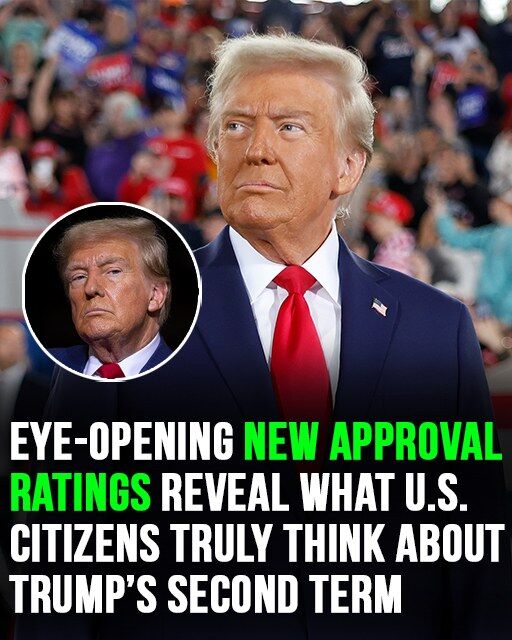
Listening to Donald Trump speak at rallies, press events, or through social media posts, it is easy to come away with the impression that his second term is an unqualified success embraced by most of the country. The president and members of his administration frequently highlight claims of economic strength, historically low inflation, billions generated through tariffs, and a vision of restored national power at home and abroad. This confident messaging presents an image of momentum and popular approval, one in which policies are supposedly delivering tangible benefits to everyday Americans. Yet when these claims are placed alongside data collected by independent polling organizations, a more complicated and far less enthusiastic national mood emerges, suggesting that many Americans do not view the current administration through the same optimistic lens promoted by official statements.
Recent polling conducted by the Associated Press–NORC Center for Public Affairs Research offers a clear snapshot of this divide. Roughly one year into Trump’s second term, only about four in ten U.S. adults say they approve of the job he is doing as president, while close to six in ten express disapproval. What is particularly notable is the stability of these numbers. Since early 2025, shortly after Trump returned to office, approval has hovered in a narrow range rather than showing signs of significant growth. This consistency suggests that public opinion is relatively entrenched, with supporters remaining loyal and critics largely unmoved. While Trump maintains strong backing within Republican circles, his overall approval remains well below the level typically associated with broad national consensus, underscoring the enduring polarization that has defined his political career.
Looking beyond general approval ratings to specific policy areas reinforces this mixed and often negative assessment. On the economy, an issue Trump frequently emphasizes as a central achievement, only around 37 percent of Americans approve of his handling, with a clear majority expressing dissatisfaction. Many respondents cite ongoing concerns about the cost of living, housing affordability, and everyday expenses, even when broader economic indicators are framed positively by the administration. Immigration, long considered one of Trump’s signature issues, also shows declining support. Approval for his approach has slipped to roughly the high 30 percent range, suggesting fatigue or unease with aggressive enforcement strategies. Foreign policy and trade tell a similar story, with public opinion leaning toward disapproval and reflecting doubts about the administration’s ability to manage international relationships and economic agreements in a way that benefits the country as a whole.
This gap between presidential rhetoric and public perception is one of the most striking themes to emerge from recent polling. While Trump regularly portrays his policies as unequivocal successes, many Americans report feeling that those same policies have failed to improve their daily lives. For example, despite claims of economic gains, a significant majority of adults say the administration has done more harm than good when it comes to controlling prices and easing financial pressure on households. Immigration messaging that emphasizes strength and control is met with skepticism among voters who worry about humanitarian consequences and social division. These contrasts suggest that communication alone has not been enough to reshape how large portions of the public interpret the outcomes of Trump’s agenda.
Another important dimension revealed by the data concerns perceptions of leadership focus and priorities. About half of Americans surveyed believe the president is concentrating on the wrong issues, rather than addressing the challenges they consider most urgent. This judgment goes beyond disagreement over individual policies and speaks to a broader concern about direction and intent. Even among those who agree with some aspects of Trump’s platform, there is unease about what they see as misplaced emphasis or unnecessary conflict. Such perceptions can be politically significant, as they influence not only approval ratings but also trust in leadership and confidence in long-term governance.
When these trends are compared with Trump’s first term, the similarities are hard to ignore. Approval levels during his second term closely resemble those seen during comparable periods of his initial presidency, which were among the lowest sustained ratings for modern U.S. presidents. Disapproval remains particularly strong among younger voters, independents, and many racial and ethnic minority groups, with surveys showing sharp skepticism among Gen Z respondents. At the same time, Trump continues to enjoy overwhelming approval among his core supporters, illustrating a political landscape defined less by persuasion than by hardened divisions. Taken together, the polling data suggest a nation that remains deeply split, where strong loyalty and strong opposition coexist, and where claims of widespread success are met with persistent doubt from a majority of the public.